Find Alvin Top Air Conditioning Repair for Fast Fixes
Warning Signs You Need HVAC Repair: Ensure Your Air Conditioning Stays Comfortable Throughout the Year
Identifying when an HVAC system needs repair is vital for keeping your home comfortable read the full story year-round. Unusual noises, fluctuating temperatures, and strange odors can all signal underlying issues. Additionally, rising energy bills and frequent cycling may indicate inefficiencies. Ignoring these signs can lead to more significant problems down the line. Being aware of these signals can enable homeowners to act proactively in maintaining efficient system performance. What should be the first thing to check?
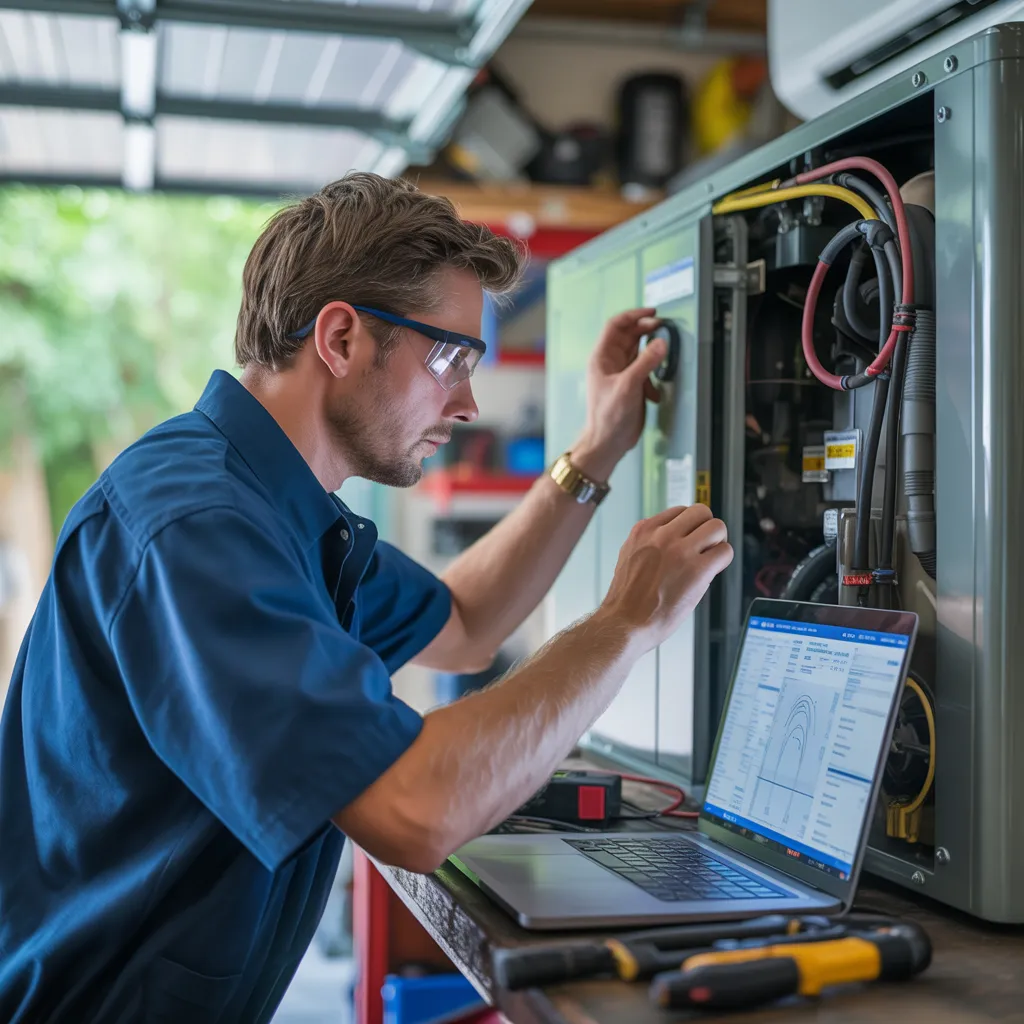
Odd Noises That Point to HVAC Troubles
Unexpected noises originating from an HVAC system can signal underlying issues that require immediate attention. When homeowners hear clanking, buzzing, or hissing sounds, it often indicates mechanical failures or airflow obstructions. As an example, a recurring banging sound may indicate loose parts or debris disrupting the system's function. Similarly, a high-pitched whistle could point to a refrigerant leak, which not only diminishes performance but can also cause greater damage if left untreated.
Moreover, grinding sounds could suggest failing bearings in the system's motor, demanding timely repair to stop further damage. It is vital for homeowners to stay alert to these sound-based warnings, as they aid in avoiding expensive system failures and ensure the HVAC unit runs efficiently. Neglecting these warnings may result in more serious issues, highlighting the importance of timely professional evaluation and repair.
Uneven Temperatures: What Should You Check?
Uneven temperatures throughout a home can indicate several HVAC concerns that warrant attention. Homeowners are advised to look into possible air duct issues, symptoms of thermostat malfunctions, and refrigerant level concerns. Addressing these factors can help restore a comfortable and stable indoor environment.
Potential Air Duct Concerns
When homeowners experience inconsistent temperatures across their home, this frequently indicates underlying duct problems. Potential causes include leaks, blockages, or improper duct sizing. Air leaks may permit treated air to seep out, diminishing efficiency and creating temperature inconsistencies. Obstructions, commonly caused by debris or dust accumulation, may limit airflow and result in uneven temperatures. Furthermore, improperly sized ducts can fail to circulate air adequately, leading to inconsistent heating or cooling. Homeowners should inspect their ducts for visible damage and verify all vents are unobstructed. Regular maintenance, including cleaning and sealing ducts, can help prevent these issues, promoting a more comfortable living environment and improving overall HVAC efficiency. Addressing air duct problems promptly is essential for peak performance.
Symptoms of a Faulty Thermostat
How does a defective thermostat lead to temperature imbalances within a home? A defective thermostat can struggle to correctly measure the surrounding temperature, resulting in unpredictable heating or cooling patterns. Property owners could observe areas of the home that stay overheated or insufficiently warmed, regardless of changes made to the thermostat. Furthermore, a poorly calibrated thermostat might fail to activate the HVAC system at appropriate intervals, leading to extended periods of uncomfortable temperatures. Accumulation of dirt and debris may also obstruct the thermostat's operation, intensifying temperature inconsistencies throughout the home. Consistently monitoring the thermostat's interface for signs of malfunction or unresponsiveness remains critically important. Identifying these symptoms early can prevent more extensive HVAC issues, ensuring a comfortable environment year-round.
Refrigerant Level Concerns
A insufficient refrigerant level can greatly disrupt a home's climate control. When the refrigerant is inadequate, cooling systems may struggle to cool spaces effectively, leading to temperature fluctuations throughout the home. Homeowners may observe certain rooms experiencing higher temperatures, despite the system running continuously. This irregularity can be a indicator of a refrigerant leak or other underlying issues within the HVAC system. To tackle this problem, it is crucial to examine the refrigerant levels and check for any visible signs of leakage. Engaging a certified HVAC technician can help assess the situation and replenish the refrigerant, ensuring efficient cooling and comfort year-round. Scheduled upkeep can help avoid such problems altogether.
Decoding Increased Energy Costs
Elevated utility bills commonly suggest underlying issues within an HVAC system that need to be addressed. When an air conditioning unit operates inefficiently, it struggles to maintain comfortable indoor temperatures, leading to increased energy usage. Frequent causes involve dirty filters, which limit proper airflow, and degraded mechanical parts that negatively impact operation. In addition, duct leaks can lead to conditioned air loss, forcing the system to work harder.
Regular maintenance is essential to avoid these issues, as systems that are not properly maintained tend to gather dust and debris over time. When energy bills climb unexpectedly, it may indicate that the system is not functioning at peak efficiency. Residents are encouraged to arrange an energy audit to uncover inefficiencies. Working with an experienced HVAC specialist can deliver valuable information about needed repairs or upgrades, guaranteeing the system operates efficiently and assists in controlling energy expenses effectively. Tackling these concerns in a timely manner can result in enhanced comfort and reduced utility bills.
Unusual Smells Coming From Your HVAC System
What could cause strange odors emanating from an HVAC system? A number of factors can produce these troubling smells, pointing to underlying issues that require prompt attention. The presence of a musty scent may suggest mold or mildew buildup in the ducts, commonly caused by elevated moisture levels. On the other hand, a burning odor may point to electrical issues or components that are overheating, requiring urgent evaluation. Additionally, a strong, pungent odor may point to a refrigerant leak, which not only compromises system efficiency but also poses health risks.
If a sweet smell is detected, it might indicate leaking coolant, which can be dangerous. Additionally, a pungent, rotten egg smell frequently indicates a natural gas leak, which is hazardous and necessitates prompt expert assistance. Homeowners should not ignore these odors, as they can affect indoor air quality and overall comfort. Timely HVAC repair is essential to guarantee a safe and pleasant environment.
The Effect of Frequent Cycling on HVAC Performance
Odd odors emanating from HVAC systems commonly point to underlying concerns, but a frequent cycling issue is another widespread concern. This occurs when the system turns on and off repeatedly within short intervals, which may result in reduced efficiency and greater wear on system components. Ongoing cycling problems may originate from factors including thermostat irregularities, contaminated filters, or depleted refrigerant levels.
The impact of this repeated cycling is substantial; it places extra strain on the compressor unit and other crucial parts, possibly reducing the system's overall longevity. Furthermore, excessive cycling can lead to inconsistent temperatures across the home, creating discomfort for residents.
Homeowners ought to address this concern without delay to avoid expensive repairs or complete system failure. Consistent maintenance, such as changing filters and thorough system inspections, can help prevent frequent cycling and confirm the heating and cooling system operates smoothly throughout the year. Recognizing this problem is essential for sustaining a ideal living environment.
Poor Indoor Air Quality: Signs Your HVAC System Needs Repair
Poor indoor air quality can indicate that a heating and cooling system requires attention. Indicators like elevated allergens and dust particles, offensive odors, and inconsistent temperature levels point to underlying concerns. Being aware of these indicators is essential for maintaining a safe and comfortable home environment.
Elevated Allergens And Dust
An observable rise in allergens and dust inside a home frequently indicates underlying problems with the HVAC system. When the system is operating as intended, filters and air ducts should reliably collect dust, pollen, and other airborne particles, preserving clean indoor air quality. However, if homeowners notice an increase in respiratory irritants and dust buildup, it might signal that filters are obstructed or compromised, restricting airflow and overall system efficiency. Moreover, worn or faulty components can be unable to circulate air sufficiently, leading to stagnant conditions that foster allergen buildup. It is essential for homeowners to address these signs promptly, since diminished indoor air quality can significantly affect health and well-being. Routine upkeep and prompt repairs can assist in restoring optimal air quality.
Foul Odors Detected
Foul smells can be a strong sign that an HVAC system is requiring attention and repair. These odors may range from musty smells, which frequently indicate the presence of mold or mildew, to a burning odor signaling overheating system components. When an HVAC system breaks down, it can be unable to properly eliminate airborne pollutants, leading to poor indoor air quality. Moreover, a pungent odor might point to refrigerant leakage, which are harmful to both health and the environment. Ignoring these smells can result in more severe issues and increased repair costs. Property owners are advised to deal with strange smells without delay, as they can impact comfort and overall air quality, indicating the necessity for expert evaluation and repair of the HVAC system.
Inconsistent Temperature Levels
Irregular temperature fluctuations inside a household can indicate hidden problems with the HVAC system. Homeowners may notice certain rooms being uncomfortably hot or cold compared to others, suggesting that the system is failing to preserve a uniform climate. This irregularity can stem from multiple causes, including clogged air passages, faulty thermostat units, or inadequate thermal protection. Moreover, fluctuating temperatures may lead to increased energy consumption as the HVAC system struggles to compensate, leading to higher utility bills. Homeowners need to resolve these thermal inconsistencies without delay, as they can indicate serious concerns within the system. Consistent servicing and swift corrections can help restore balance and efficiency, maintaining an agreeable interior climate throughout all seasons.
Popular Questions We Receive
How Often Should I Plan HVAC Maintenance?
Experts recommend having HVAC service performed a minimum of two times per year. This ensures optimal system performance and extended lifespan, enabling the timely identification of developing problems that could disrupt the home's comfort levels and overall efficiency.
Can I Fix My HVAC System Without Professional Help?
Though some minor HVAC concerns homeowners can handle themselves, the majority of repairs demand professional knowledge. Attempting complex repairs without proper training has the potential to cause additional damage, potential safety risks, or warranty voidance, emphasizing the importance of professional assistance.
What Is the Standard Lifespan of an HVAC System?
The average lifespan of an HVAC system usually spans 15 to 25 years, depending on maintenance, usage, and quality. Regular servicing can extend longevity, while lack of care can result in early breakdowns and reduced efficiency.
How Can I Tell if My Thermostat Is Defective?
A malfunctioning thermostat may exhibit unstable temperature readings, non-reactive controls, or repeated cycling of the HVAC system. Moreover, it might fail to maintain configured temperature levels, suggesting underlying problems that necessitate further examination or repair.
Are There Any DIY Solutions for HVAC Issues?
Do-it-yourself fixes for HVAC problems include replacing or cleaning filters, checking thermostat settings, and ensuring vents are unobstructed. That said, complicated issues frequently necessitate the help of a professional to guarantee the system's safety and proper operation.